About Me

Hello, I’m Nafiseh Abassi

I am a Child & Adolescent Psychologist, holding a Master’s degree in Clinical Psychology from the University of Tehran and a registered member of the Iranian Psychological & Counselling Organisation. For years my work has been one thing: turning specialised knowledge into solutions you can actually use at home—in the middle of the chaos and fatigue.

  • Psychology licence #74777
  • Master’s in Clinical Psychology, University of Tehran
  • Child & adolescent therapist,Institute Haftad
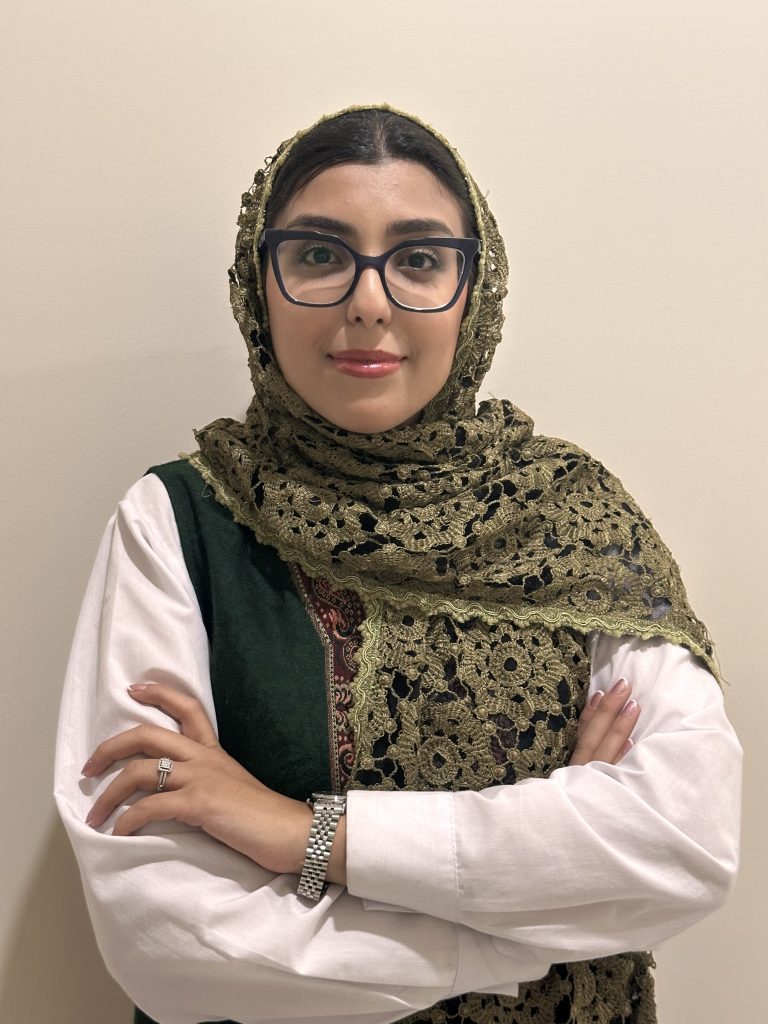
Nafiseh Abassi, child & adolescent psychologist
My belief No child is “bad”—their behaviour is an untranslatated message.

Education & Career Path

  • Master’s Degree in Clinical Psychology — University of Tehran The scientific foundation of my work; here I learned to read the root of behaviour before offering any solution.
  • Registered member of the Iranian Psychological & Counselling Organisation Licence number 74777 and specialist practice licence number 27635.
  • Child & Adolescent Therapist — Institute Haftad Ongoing clinical work with children, adolescents and their families.
  • Specialised courses in therapy, life skills & reality therapy Four specialist courses that supply the practical toolkit for every session.
  • Parent training through video courses For families who are out of town or prefer to start the journey themselves.
My Story

Why I chose to work with children and parents

In the early years of my practice, one thing used to bother me: parents who came in with genuine concern would receive plenty of correct advice, yet none of it could be implemented at home. The problem was not their ignorance or lack of motivation— the gap between specialist language and real life was.

From that moment on, my path became clear. I focused on one thing: every session, every course, every piece of advice should reach a simple point of parents know exactly what to do and say at bedtime or during dinner.

In my work, two people attend each session: the child and the parent. The child learns through play and conversation to recognise and manage their emotions; the parent learns to translate a behaviour they used to see as “stubbornness” and respond instead of react.

“A child’s behaviour is a messenger of their needs. Until that need is heard, no amount of punishment will change anything.”

Nafiseh Abassi
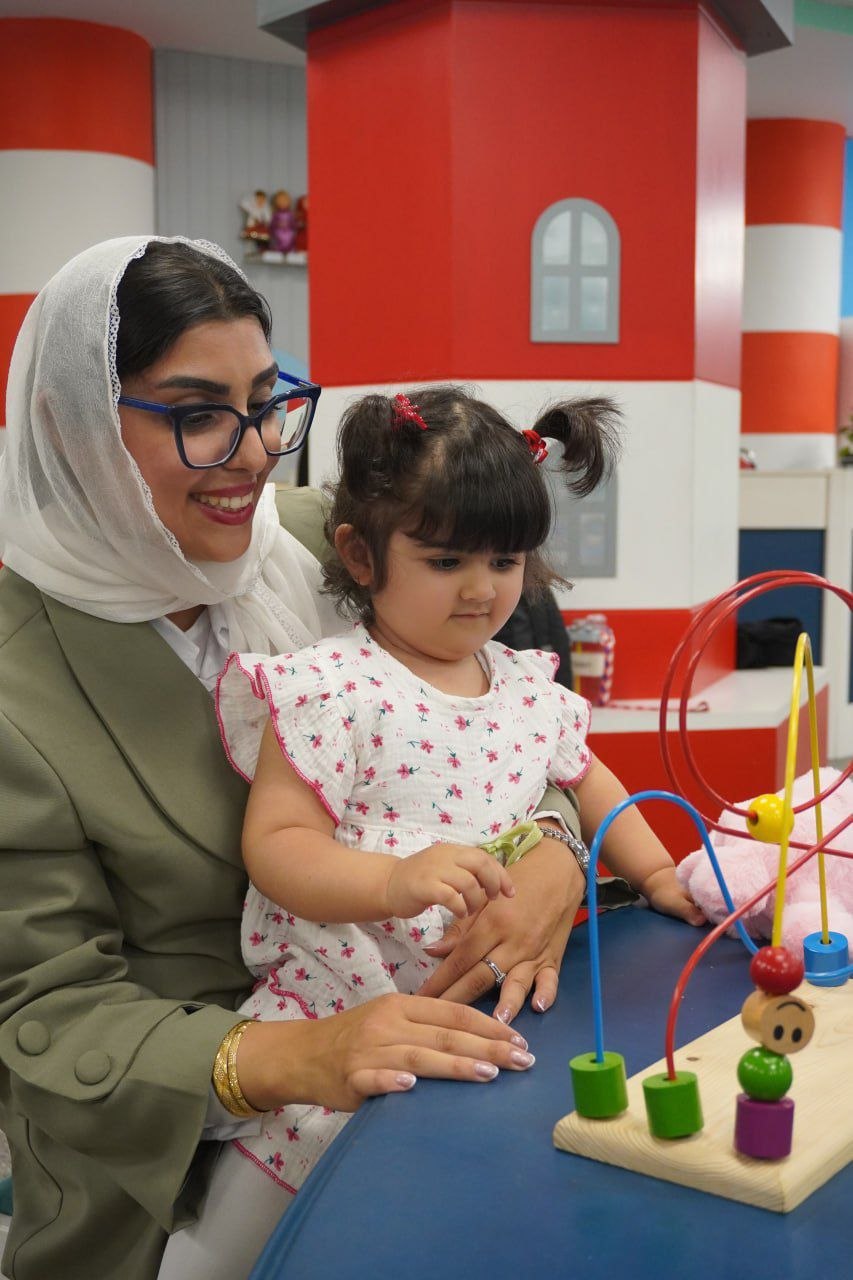
Nafiseh Abassi, child & adolescent psychologist
My Working Principles

What is taken seriously in my sessions?

These four principles are what truly set my work apart from a generic list of advice.

The child is never judged

No child leaves my room labeled “bad,” “spoiled” or “rude.” We read the behaviour first, then we change it.

The parent is not blamed, the parent is a teammate

Nobody raises a child badly on purpose. Our job is not to find the guilty one; it’s to build a new method for this very family.

Every session ends with a concrete task for home

You leave every session with an exercise or a ready-made, practical sentence—something you can use the very same evening.

Complete confidentiality

The content of sessions and the identity of clients are never published or shared with anyone, under any circumstances.

Professional Credentials

Certificates & Licences

Every number below can be verified; you have the right to know exactly whose hands your child is in.

74777
Membership Code Iranian Psychological & Counselling Organisation
27635
Practice Licence Number Specialist licence to practice in the field of psychology
University of Tehran
Master’s Degree Clinical Psychology
4 courses
Specialised Training Child & adolescent therapy, life skills and reality therapy
The full images of certificates, diplomas and licences are available on the Certificates & Permits page.
Areas of Working

What can I help you with?

If your child’s issue is not in this list, feel free to ask anyway; if it is outside my expertise, I’ll tell you honestly and guide you forward.

  • Stubbornness and refusing to listen
  • Aggression and intense behaviour
  • Childhood anxiety and fears
  • Separation anxiety and school phobia
  • Restlessness and difficulty focusing
  • Sleep problems
  • Low self-confidence and low self-esteem
  • Jealousy and rivalry between children
  • Boundaries and rules at home
  • Children’s life skills
  • Parent–child communication issues
  • Adolescence counselling

If you’ve read this far, you’re serious about your child

That seriousness is the most important part of the work. The next step is simple: send me a quick message and briefly describe the issue so we can arrange the first session.